Design: made in Barcelona.
Production: made in Asia.
Seduno has built knit apparel since 1994. Production across five countries, over $1B in annual sales, vertically integrated from yarn to finished garment. Seduno Studio in Barcelona puts design, development and client management in the same time zone as our European customers.
Europe designs close. Europe buys far.
Two halves of the same supply chain, running at different speeds.
European retail runs on a split model; fast, reactive assortments come from Iberia, Morocco and Turkey, where a designer can be in the factory by lunchtime. Volume and technical knit come from Asia, where the cost works but nobody is in the room.
The friction is not price. It is that the Asian half of the model behaves like a different company. A fabric comment written in Barcelona on Tuesday gets read in Ningbo on Wednesday, interpreted by a merchandiser, relayed to a factory, and answered on Friday. Two rounds of that and a delivery has moved a month.
Seduno Studio was set up to remove that asymmetry. Design, fabric direction, tech packs and client management sit in Barcelona. The factories are ours. The people supporting your concepts already know what our capabilities are, what the fabric costs and what the timeline is. The questions that normally become a week of emails are accounted for before the concepts leaves Spain.
What each European market asks for
Written from what buying teams in these markets put in their vendor manuals.
- Spain. The question is never only cost It is how fast you answer. Spain is also, quietly, Europe's childrenswear centre: a cluster of specialist kids brands built around Málaga and Valencia, buying deep size sets and repeating bodies season after season. Development discipline matters more here than novelty.
- France. The most demanding labelling regime in Europe. The AGEC law requires environmental and traceability information: country of each major production stage, recycled content, presence of microplastics — declared per product. French buying teams will ask for this at vendor approval, not at shipment. Kidswear and layette are disproportionately strong in the French market.
- Germany. Documentation rigour. German and Austrian buyers run the heaviest audit and RSL requirements in Europe and expect facility-level data rather than a corporate certificate. Volume basics and technical knit, with long carryover and tight tolerance on repeat consistency.
- Sweden and Denmark. Scandinavian groups buy across all three categories at scale, with kids a far larger share of the mix than in southern Europe, and with sustainability claims that must survive a journalist reading them. Recycled and certified content, traceable to the yarn, is a condition of entry rather than a premium story.
Nothing here is a claim about who we supply. It is what these markets ask for, and what we are set up to answer.
Men's, women's and children's: built differently
Same mills. Genuinely different development disciplines.
- Women's. The fastest churn in silhouette and colour. The work is range architecture and fabric storytelling — getting newness out of finish, colour and structure rather than a new construction for every style.
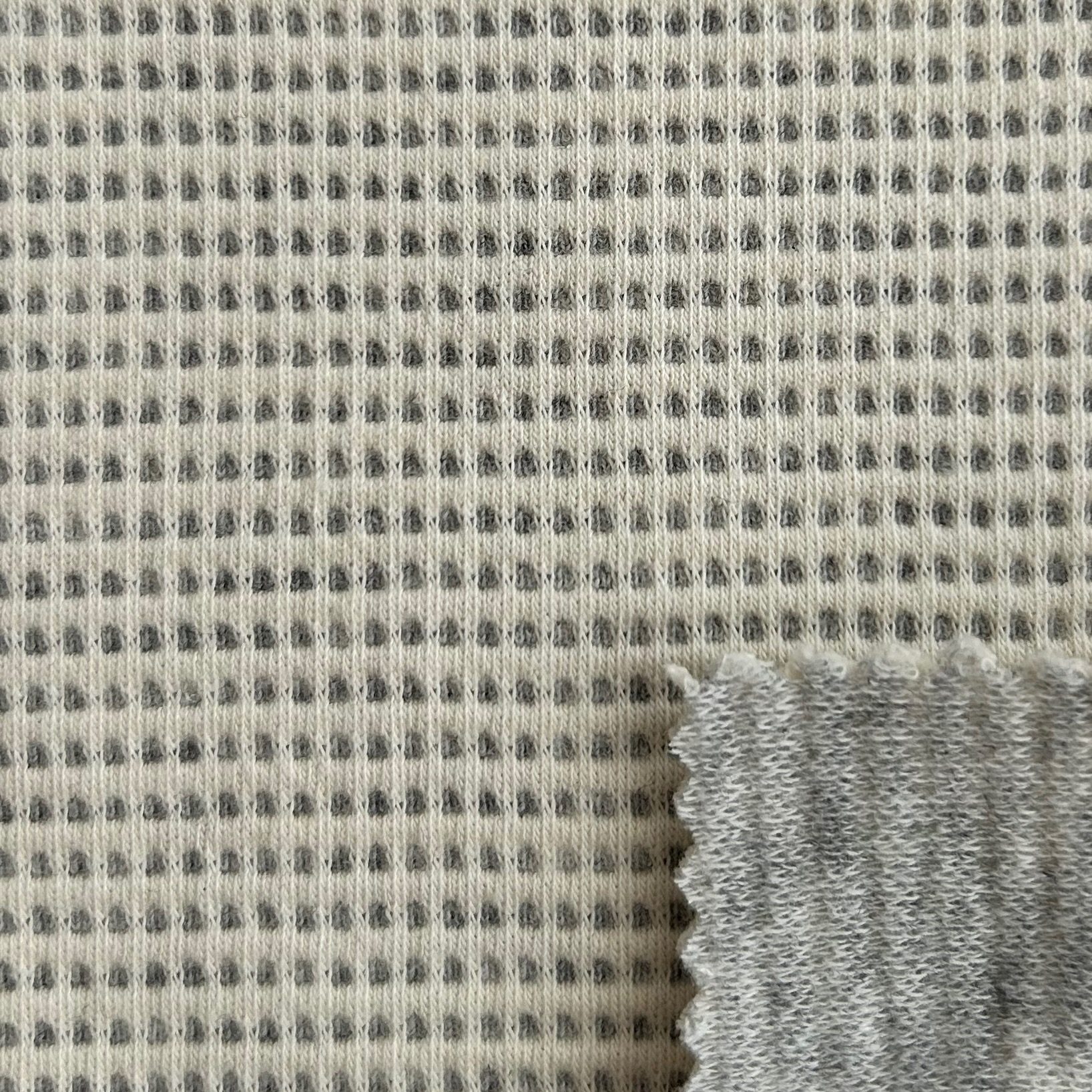
- Men's. Fewer bodies, longer life, heavy carryover. The work is fabric quality and repeat consistency: a pique or a waffle that reads identically in delivery six as it did in delivery one.
- Children's. The most technically constrained of the three. Up to twenty sizes from layette to sixteen years, grading that has to hold across all of them, and European safety standards that dictate construction decisions at design stage rather than at pre-production.
Design & Product Development
Trend and colour direction, line building and fabric development, tech packs, fit and grading — from Barcelona.
Knitwear Manufacturing
Constructions and capability across men's, women's and children's knit.
Production & Compliance
Five countries, vertical integration, EU duty treatment, and the safety and labelling regimes European buying teams test you against.